

Classic Leopard Tracking Safari
Follow alarm calls, pugmarks and the warmth of sun-struck granite with a master tracker, as resident leopards surface on the rock…
About 3 hours · Private or shared 4x4 gypsy, up to 6 guests

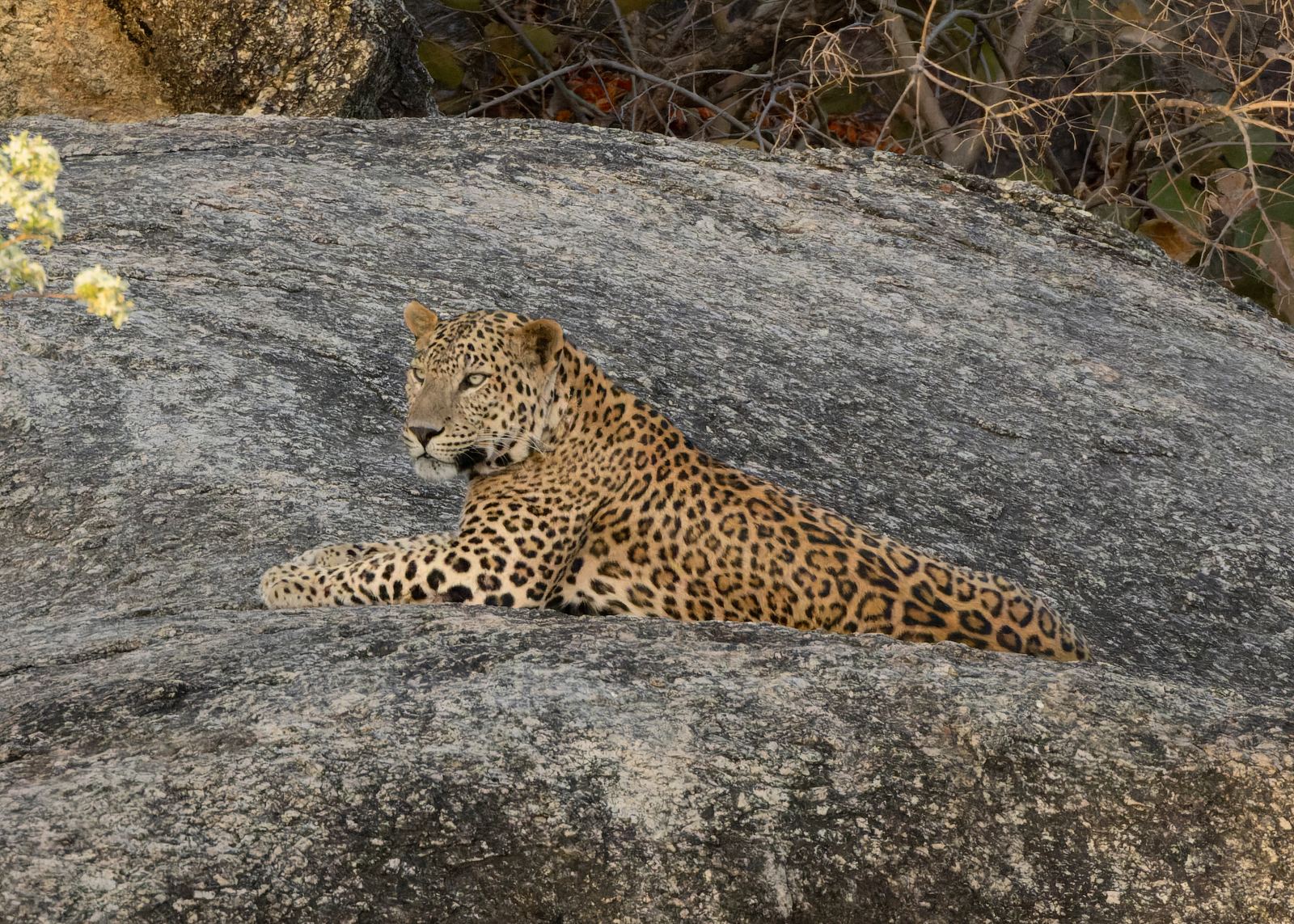
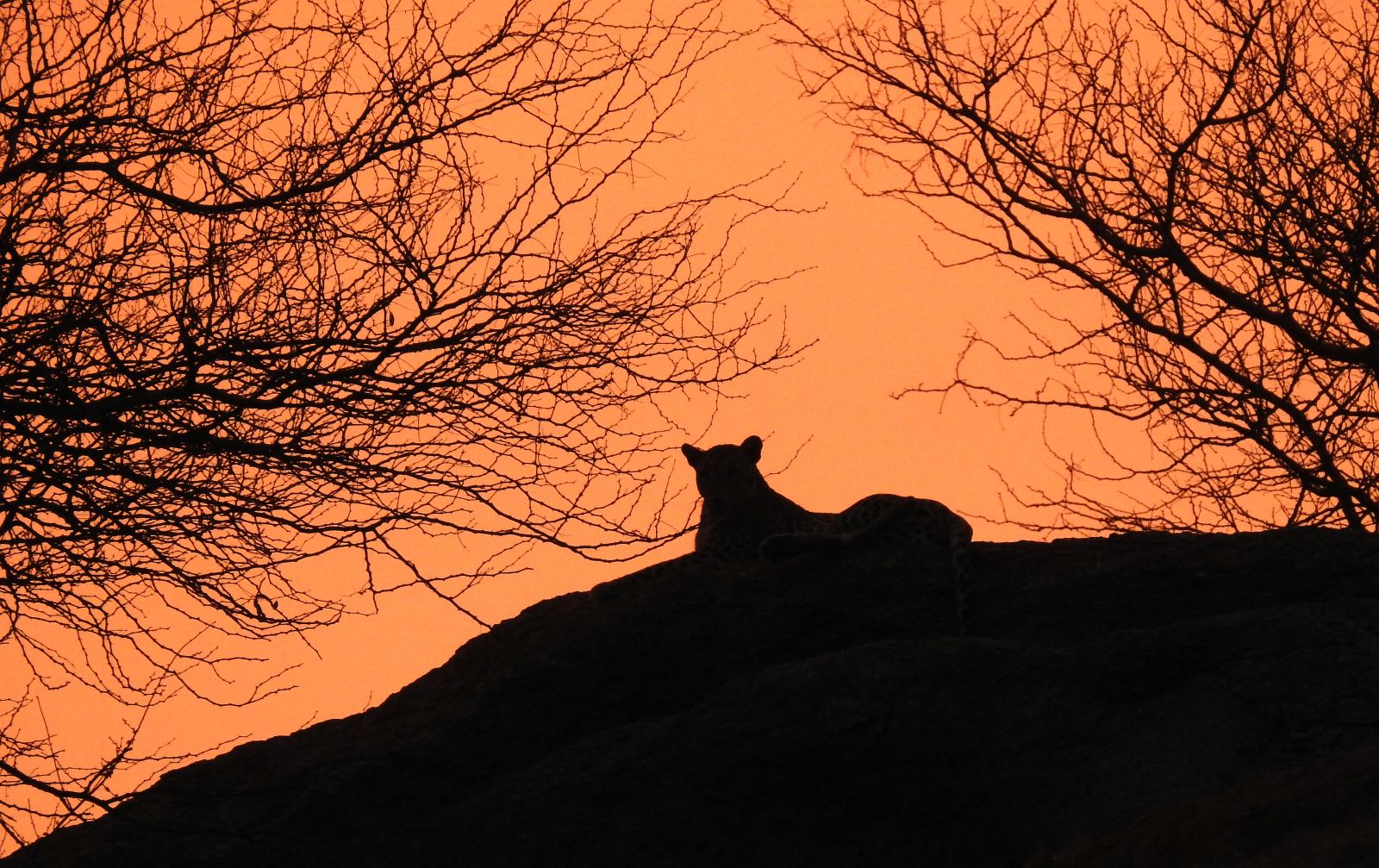


Follow alarm calls, pugmarks and the warmth of sun-struck granite with a master tracker, as resident leopards surface on the rock…
About 3 hours · Private or shared 4x4 gypsy, up to 6 guests

A slower, scope-led exploration of the reservoir shoreline, winter flamingo flocks, demoiselle cranes, raptors and the resident m…
About 3 hours · Private or shared 4x4 gypsy, up to 6 guests

A fully private expedition designed around you: flexible timings, longer sightings, boulder-top sundowners and a senior naturalis…
Half day or full day · Exclusive to your party

Planned around light: low-angle positioning, beanbag mounts and a Captain who understands composition as well as tracking.
Multi-drive programmes · Max 3 photographers per vehicle
Jawai safaris run in open-top 4x4s, mostly modified Maruti Suzuki Gypsys with a roll cage and raised seats at the back, so everyone has a clear view over the rocks. The jeeps are light and nimble enough for the village tracks and granite slopes where the leopards live.


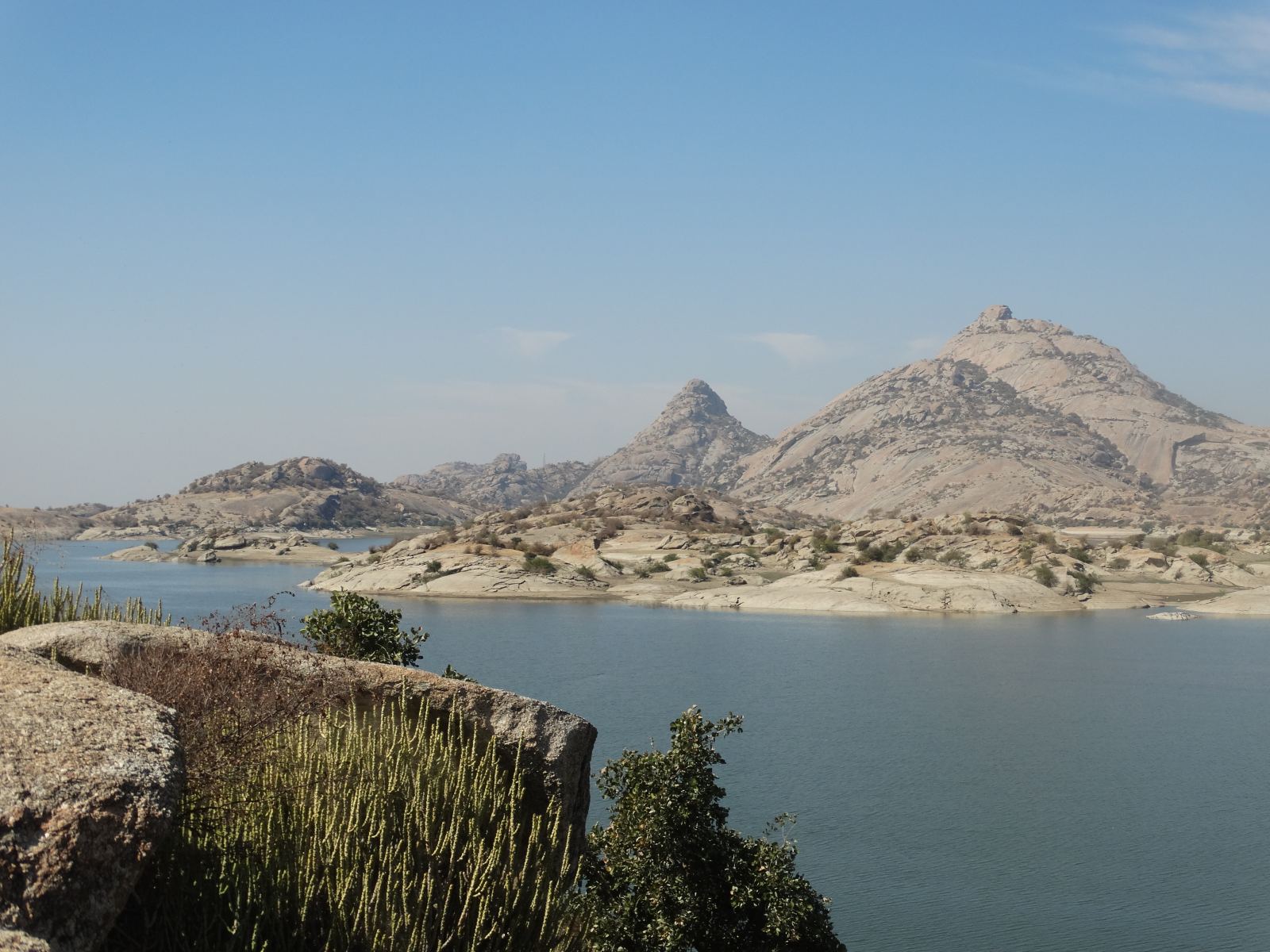
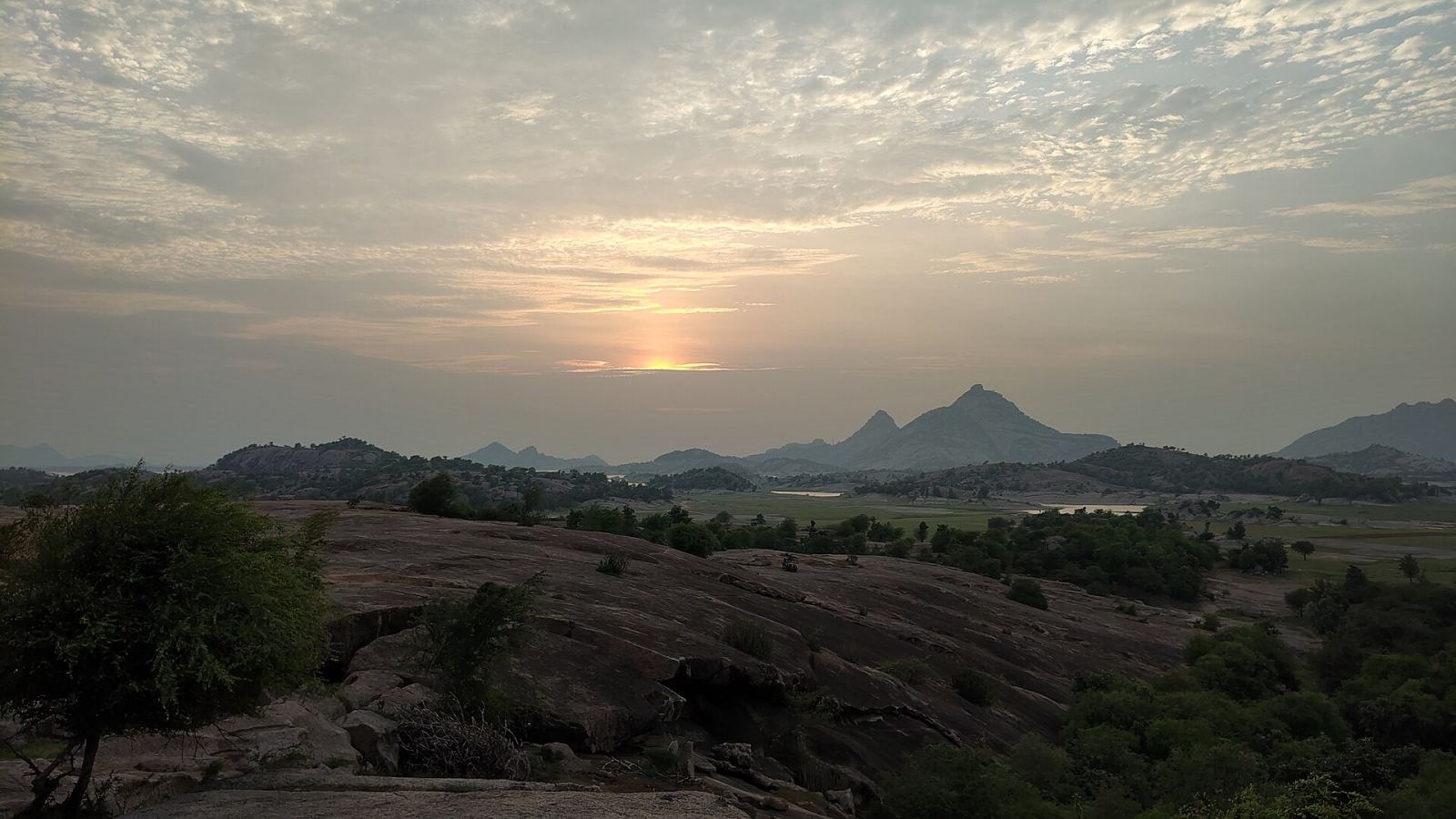
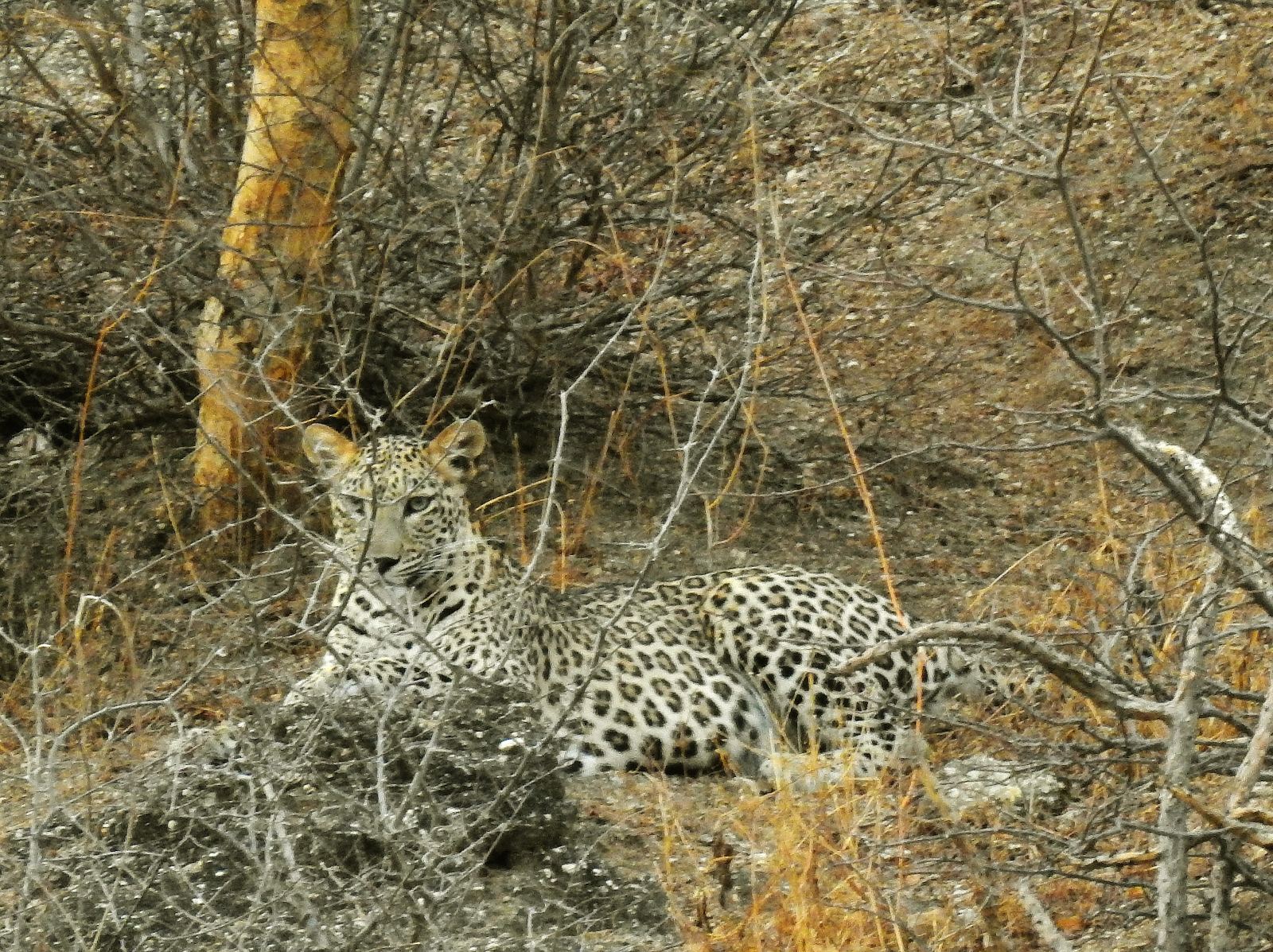
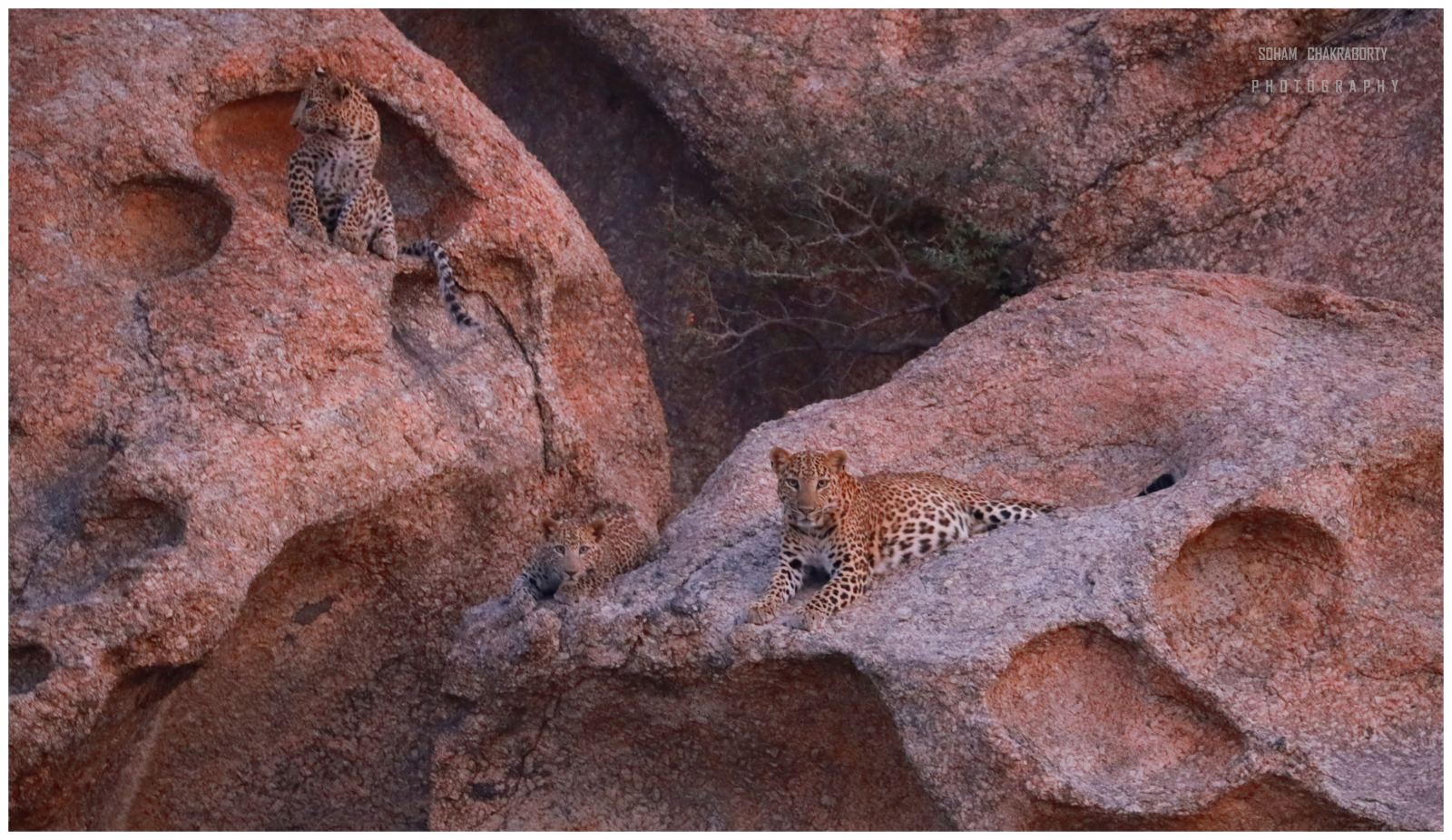
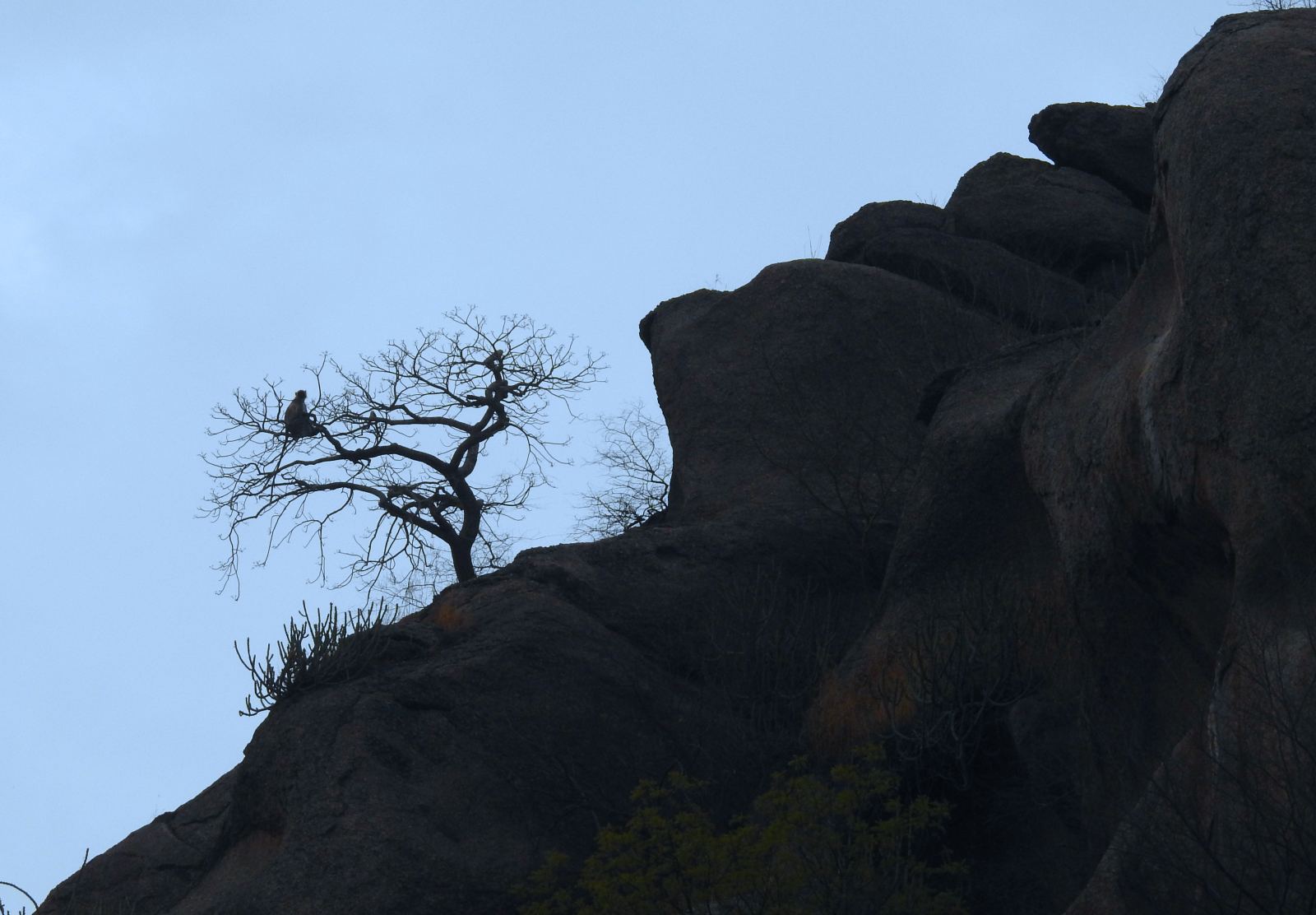
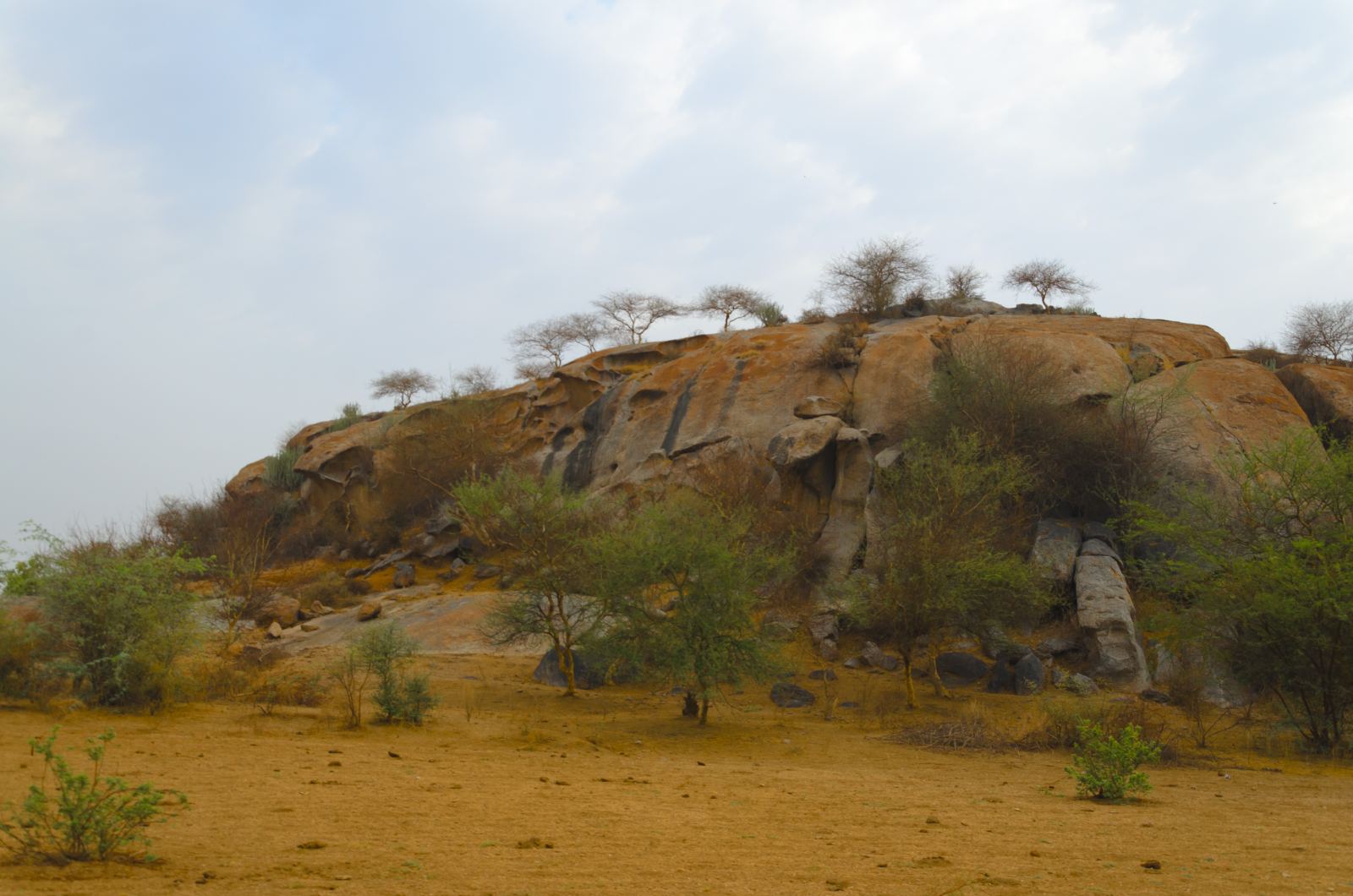
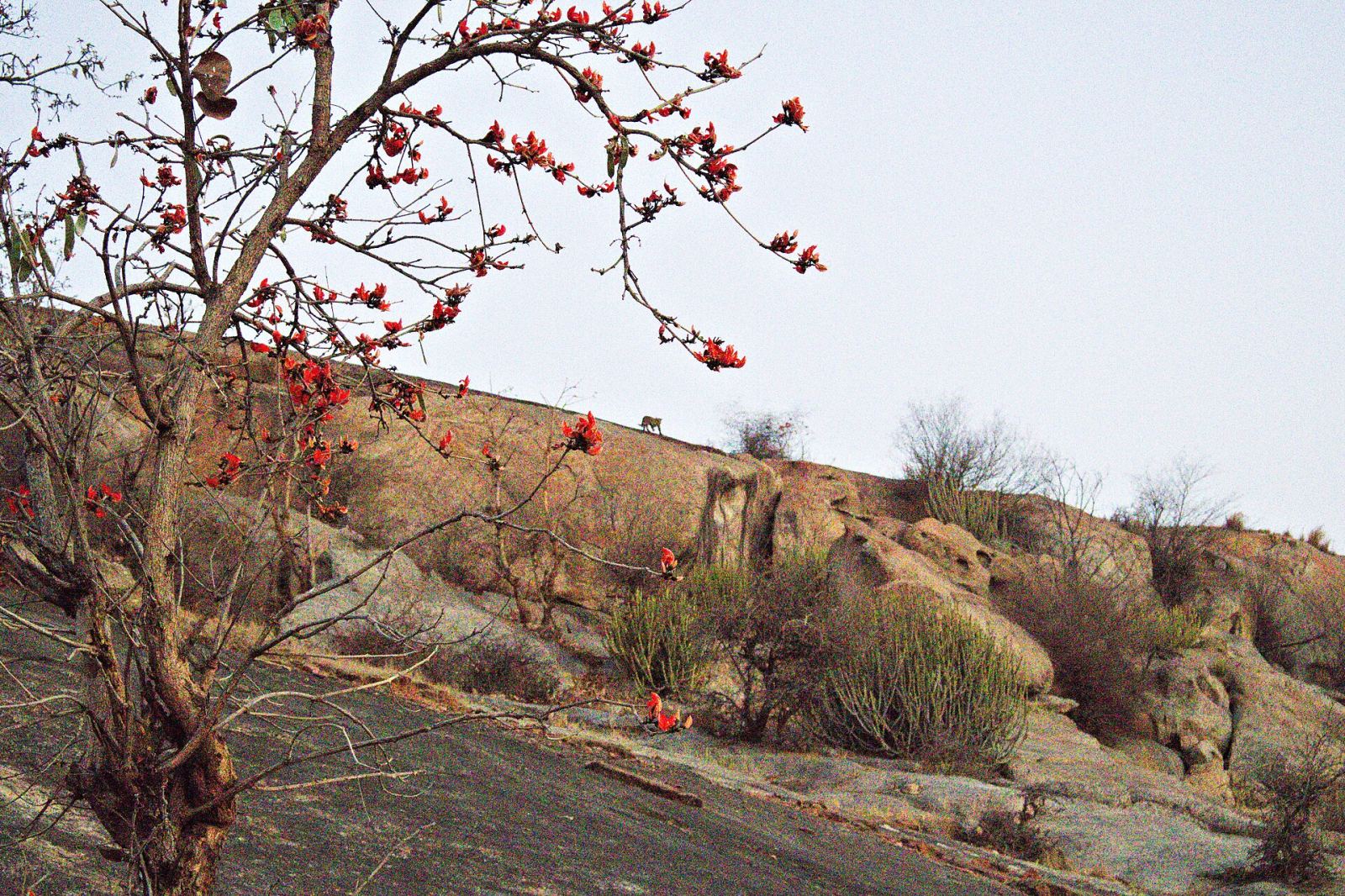
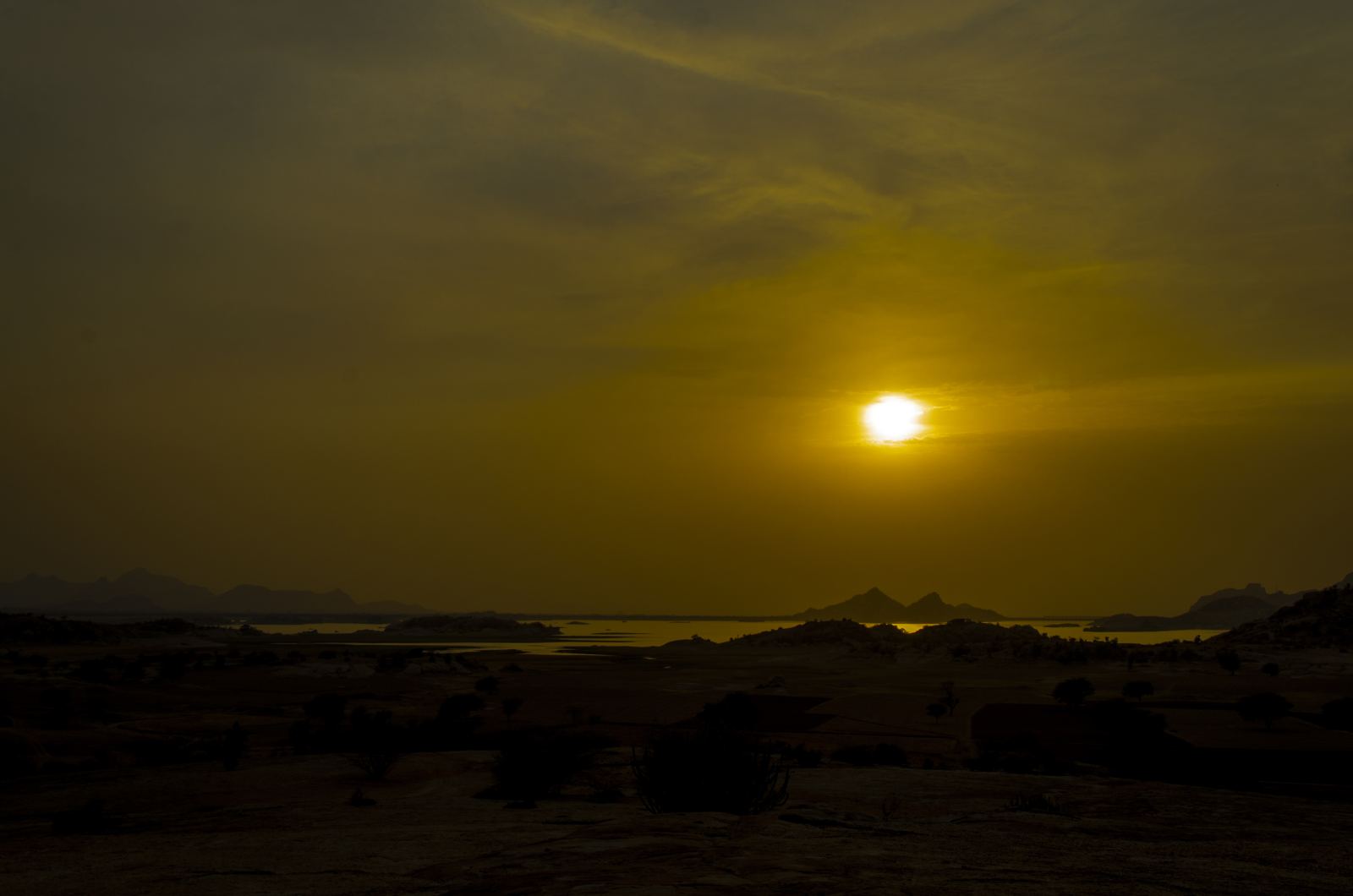
Jawai is a stretch of granite hills around the Jawai Dam in Pali district, roughly halfway between Udaipur and Jodhpur. Leopards den in the caves and rest on the rocks here, a short walk from villages, farms and hill temples. The Rabari herders who graze their animals on these hills have lived alongside them for generations.
It isn't a fenced national park. Our drives use village tracks and go out early in the morning and late in the afternoon, which is when the leopards are most often out on the rocks.


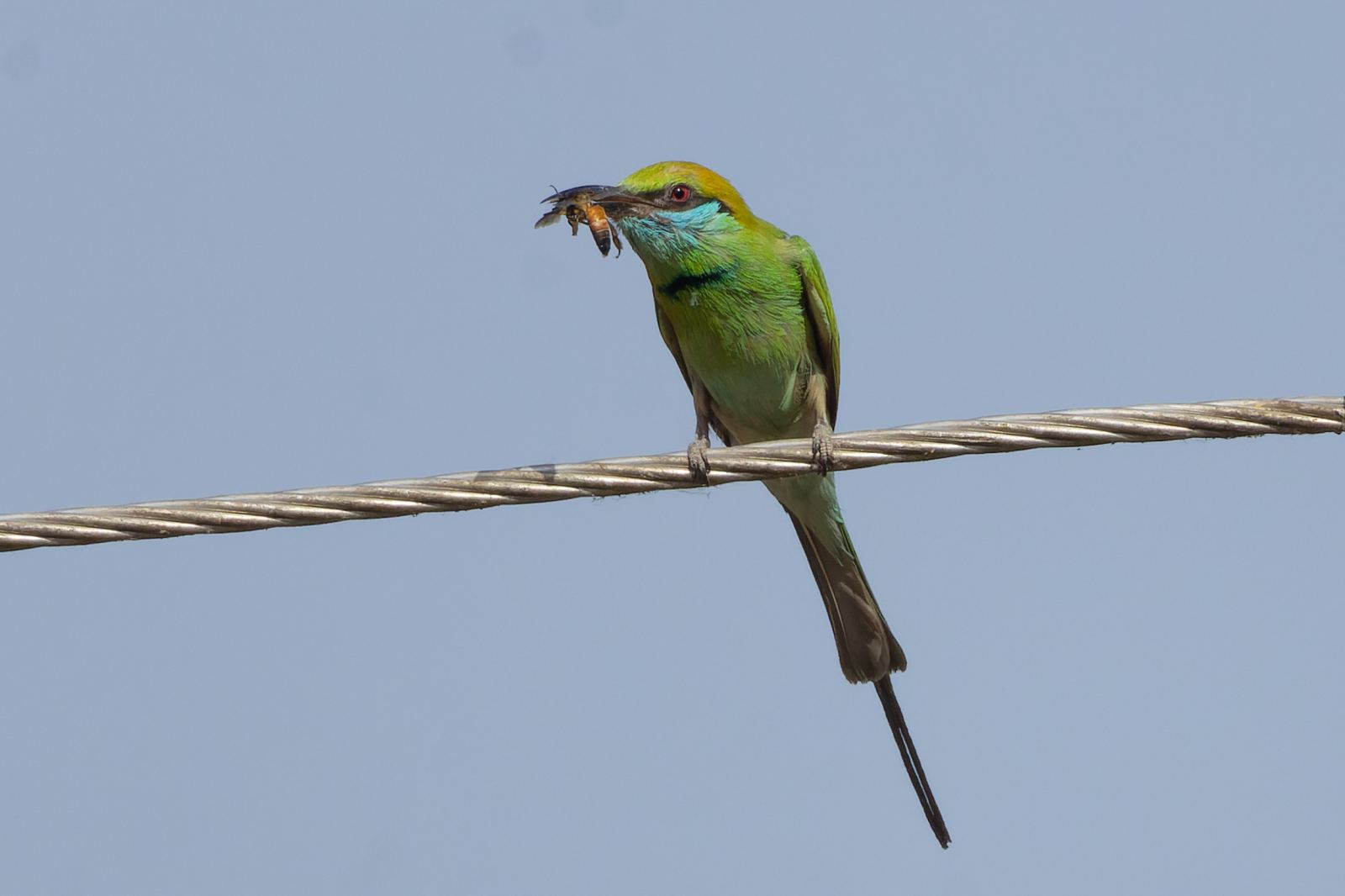
Cool, clear mornings, often 8 to 12°C at dawn. The reservoir is full after the rains and migratory birds arrive in thousands: bar-headed geese, demoiselle cranes and flamingos. Leopards bask on the warm rock. The best season for safaris.

Hot and dry, often above 40°C by May. The water drops and sandbanks appear where mugger crocodiles bask, and wildlife gathers near what water is left. Drives run very early and late in the day.

Rain turns the granite hills green and refills the dam; in very wet years the reservoir overflows. Big skies, waterfalls on the rocks and few visitors. Some tracks get muddy, so drives can change at short notice.
Approximate road distances from Bera, in the middle of the leopard hills. Times depend on traffic and road works.
Tap a place on the map or in the list to see its route.
Pick a morning or evening drive and tell us how many of you are coming. The jeep is private to your group.
We reply on WhatsApp or email, usually within 12 hours, with availability, the price and where to meet in Bera.
Your open 4x4 gypsy and local tracker meet you at the agreed point. You pay us directly after confirmation; nothing is taken online.
Pick a safari, a date and the number of guests. We confirm availability and the price personally, usually within 12 hours, and tell you where to meet. Nothing is charged until you confirm.

An unforgettable wildlife experience in Jawai! Our 4x4 open gypsy safari led by local trackers brought us face to face with wild leopards resting on ancient granite rock formations. The Jawai Dam bird watching and Dev Giri cave temple visit were true highlights.


The Rabari are pastoralists who have grazed sheep, goats, cattle and camels around Jawai for generations. Many hill shrines here are linked to local deities, and leopards are generally left alone, even when they take livestock. That tolerance is a big part of why the leopards are so relaxed around people. On our drives you pass their herds and hill shrines. We ask guests to keep a respectful distance and to ask before photographing anyone.
Read about Jawai cultureJawai is lived-in country. Around Bera, Sena and the other villages, Rabari herders take their flocks out at dawn, women in bright odhnis carry water and fodder along the lanes, and bullock carts still share the tracks with safari jeeps. Ask your driver to stop at a village tea stall: a smile and a question go a long way. Please ask before you photograph anyone.


October to March is prime season with cool mornings, basking leopards and migratory birds. April to June is hot but rewarding; the monsoon (July–September) is lush and dramatic.
Three or four drives (morning and evening on two days) give a fair chance of good leopard sightings. Photographers often book more.
Udaipur Airport is about 130 km (2.5 to 3 hours by road) and Jodhpur Airport about 175 km (3.5 hours). The nearest railway station, Sumerpur Jawai Bandh, is about 18 km away, and Falna about 37 km. We run safaris only and do not arrange transfers, but we are happy to suggest options.
No ethical operator can guarantee a wild animal sighting, and anyone who promises one is misleading you. However, because Jawai's leopards live on open granite rather than in dense forest, the probability of observing them over a 2–3 day stay is very high.
Jawai is an open, lived-in landscape rather than a gated national park. There are no rigid zones or shared canters; drives are in private 4x4 vehicles with local trackers, and you can combine leopards with wetland birding and Rabari culture.